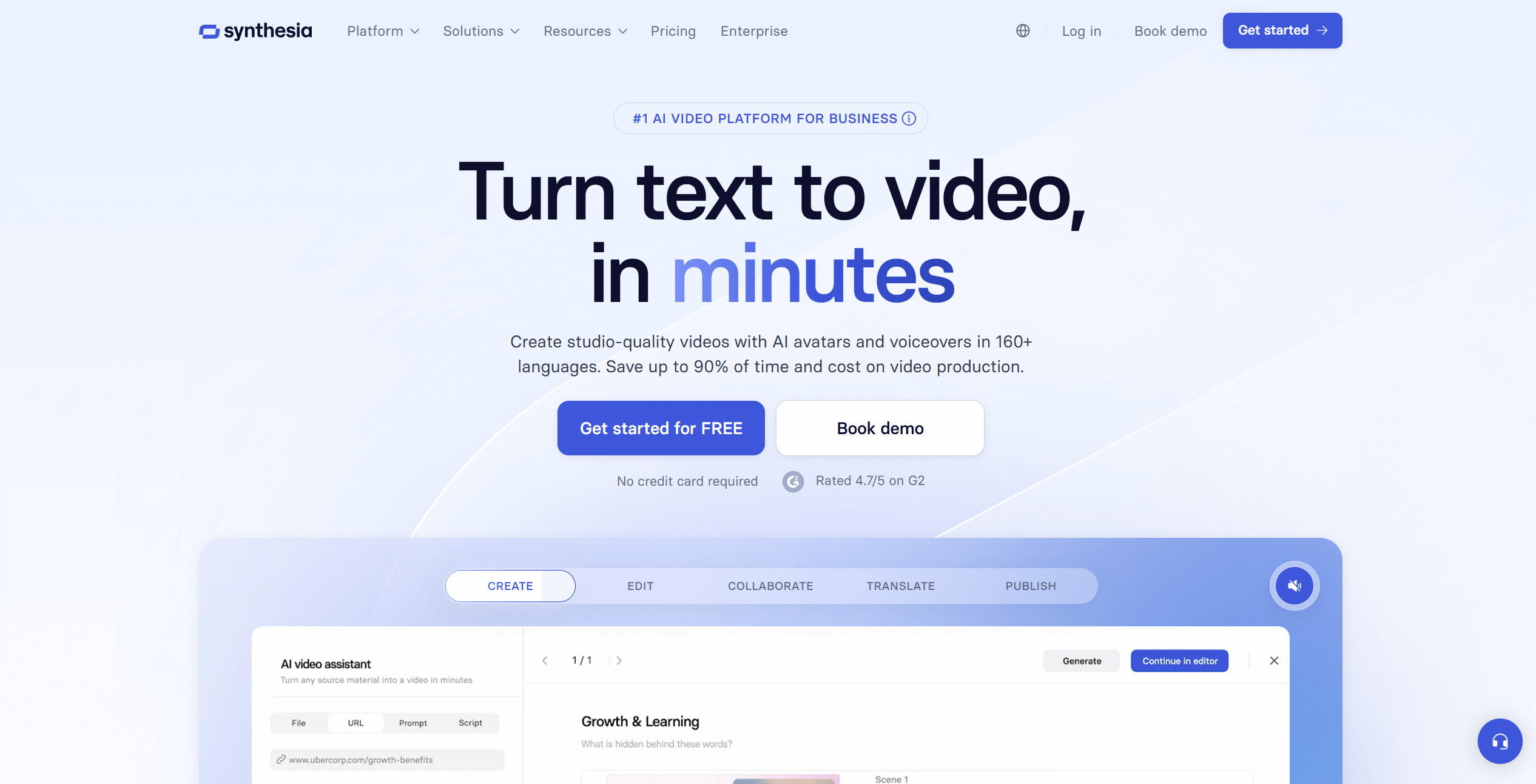
Introducing Contact North | Contact Nord’s Four FREE, Easy-to-Use AI-Powered Apps for Education and Training |
|
|---|
|
|
Can/Am Report Issue Vol. 18 Issue 10
February, 2025
|
|
|---|
|
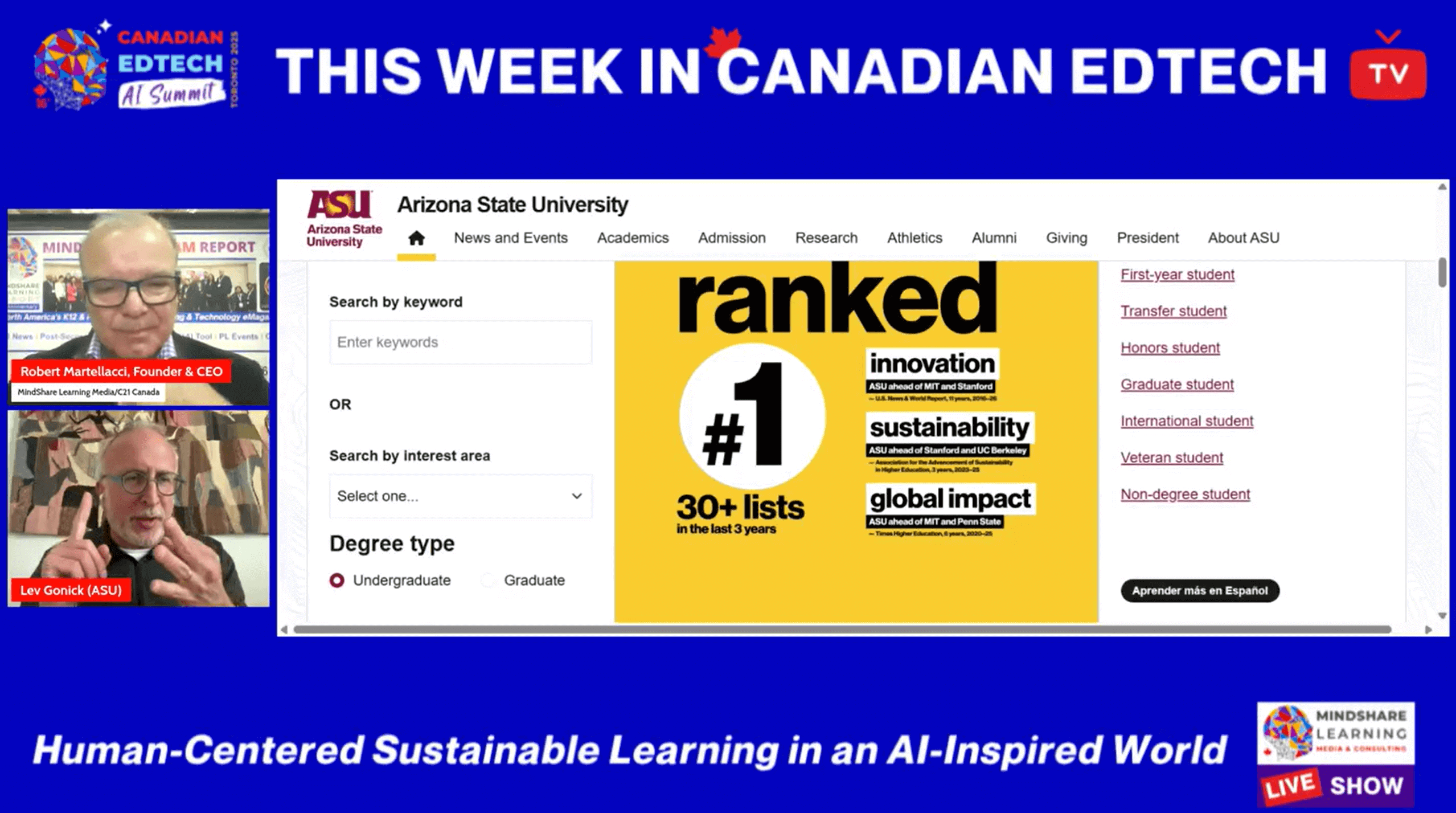
How America's #1 Innovation University Is Building an AI-Ready Future with
fellow York University Alumni,
Dr. Lev Gonick, Enterprise CIO ASU
|
|
|---|
|
Dear MindShare Community Member,
Happy Friday, and welcome to a milestone edition of the MindShare Learning Report.
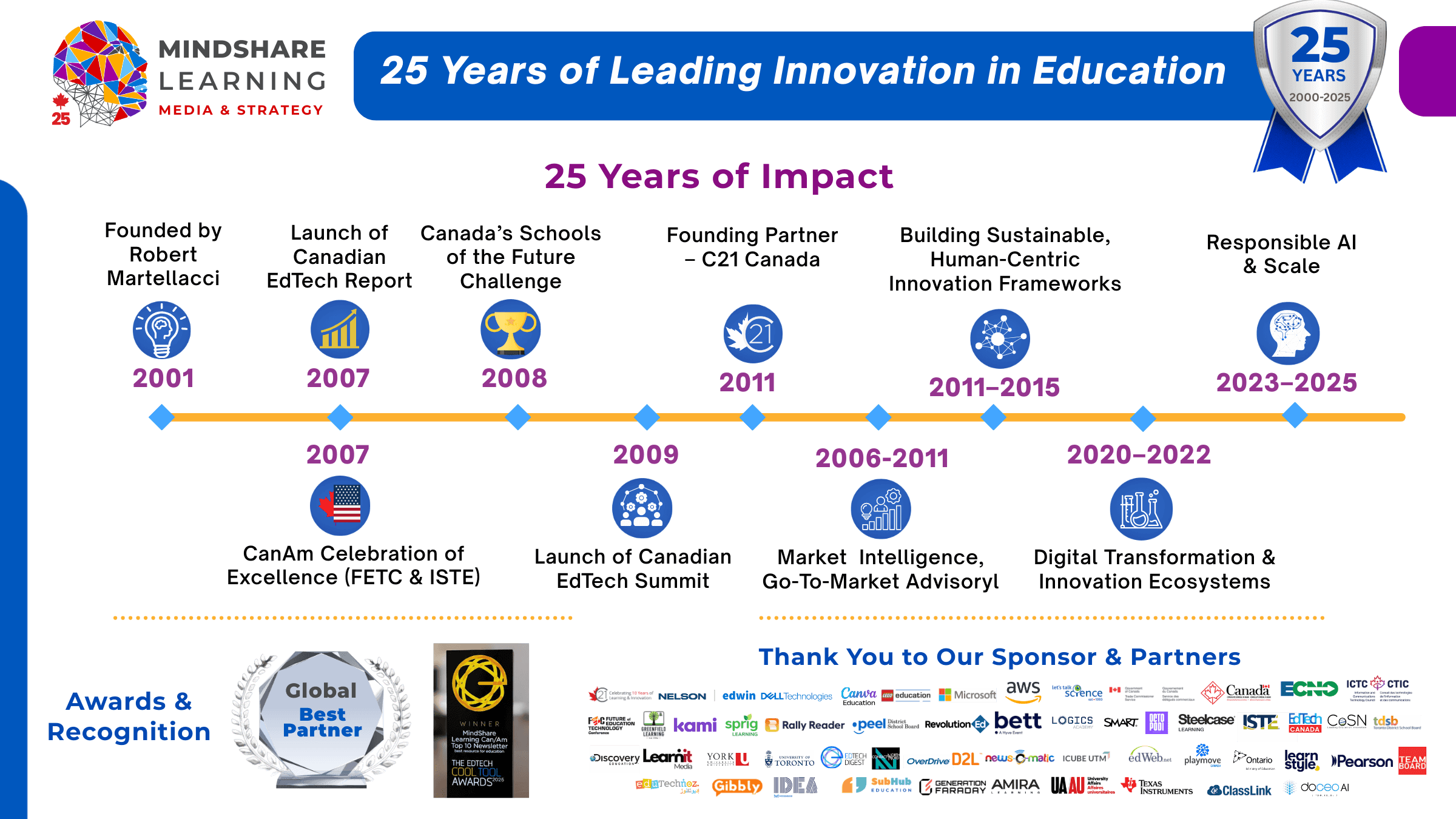
This month, we pause to reflect on 25 years of MindShare Learning Media & Strategy Group, a journey defined by curiosity, connection, and a deep belief that education is the most powerful lever for meaningful change. What began as a conversation about digital learning has evolved into a global dialogue on innovation, leadership, and the human side of transformation across K-12 and post-secondary education.
As we mark this anniversary, the context could not be more timely. We are living through a defining moment for education, one where AI, credentials, workforce alignment, and learner agency are reshaping systems at unprecedented speed. This edition captures that moment, not as hype, but as lived experience, grounded research, and real-world practice.
Inside this special issue, you’ll find:
🎉 25 Years of MindShare Learning
A celebration of the ideas, partnerships, and community that have shaped MindShare’s role at the intersection of education, technology, and strategy, and a look ahead to what comes next.
💬 Quote of the Month
Lev Gonick (Enterprise CIO @ Arizona State University) reflects on the “AI moment” as both an extraordinary opportunity and a profound responsibility for higher education, a reminder that leadership and values must guide innovation at scale.
🎓 Use Case Spotlight
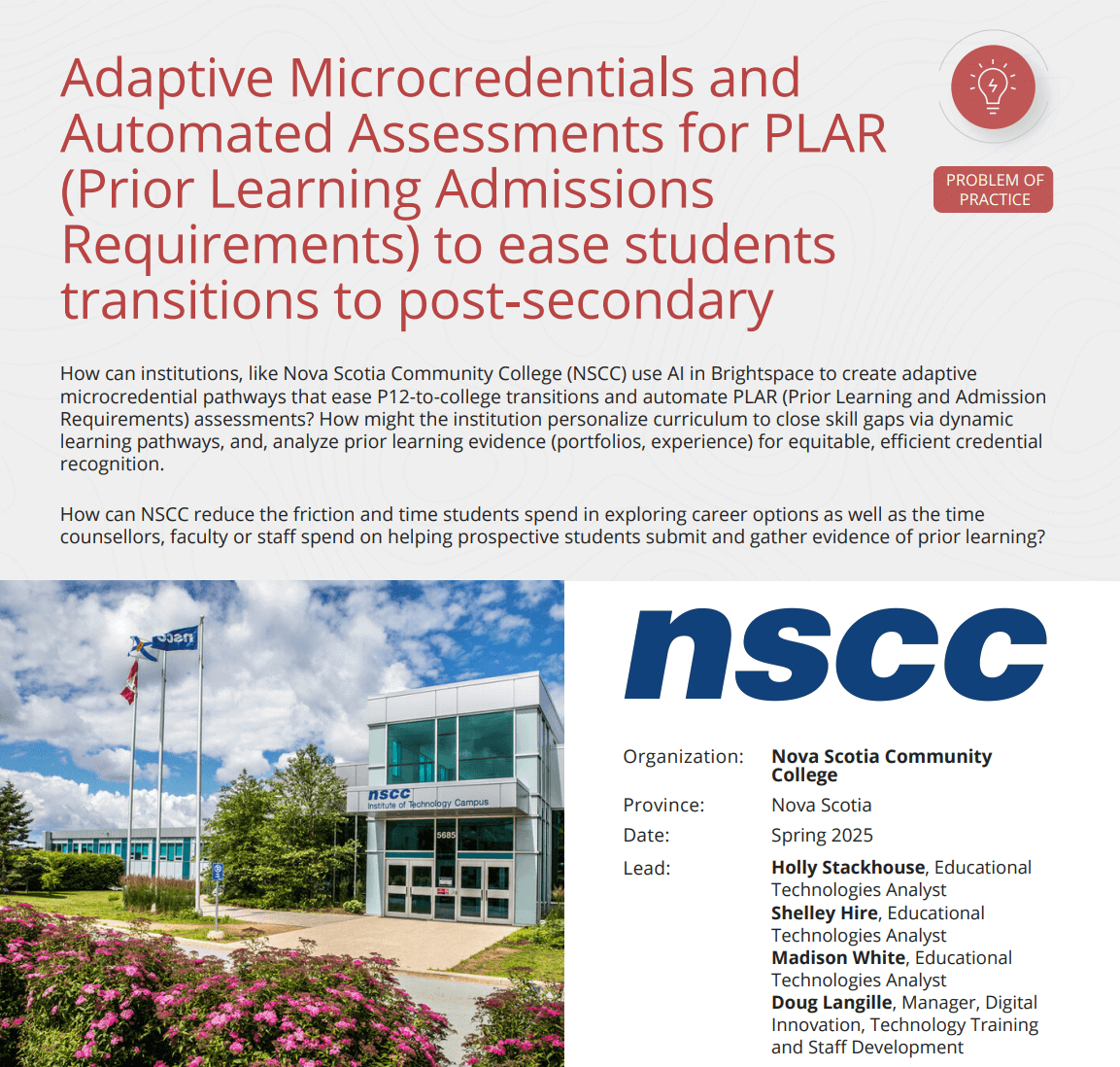
A powerful Canadian example from Nova Scotia Community College, showcasing adaptive microcredentials and automated assessments that ease learner transitions into post-secondary pathways.
🧠 AI Tool of the Month
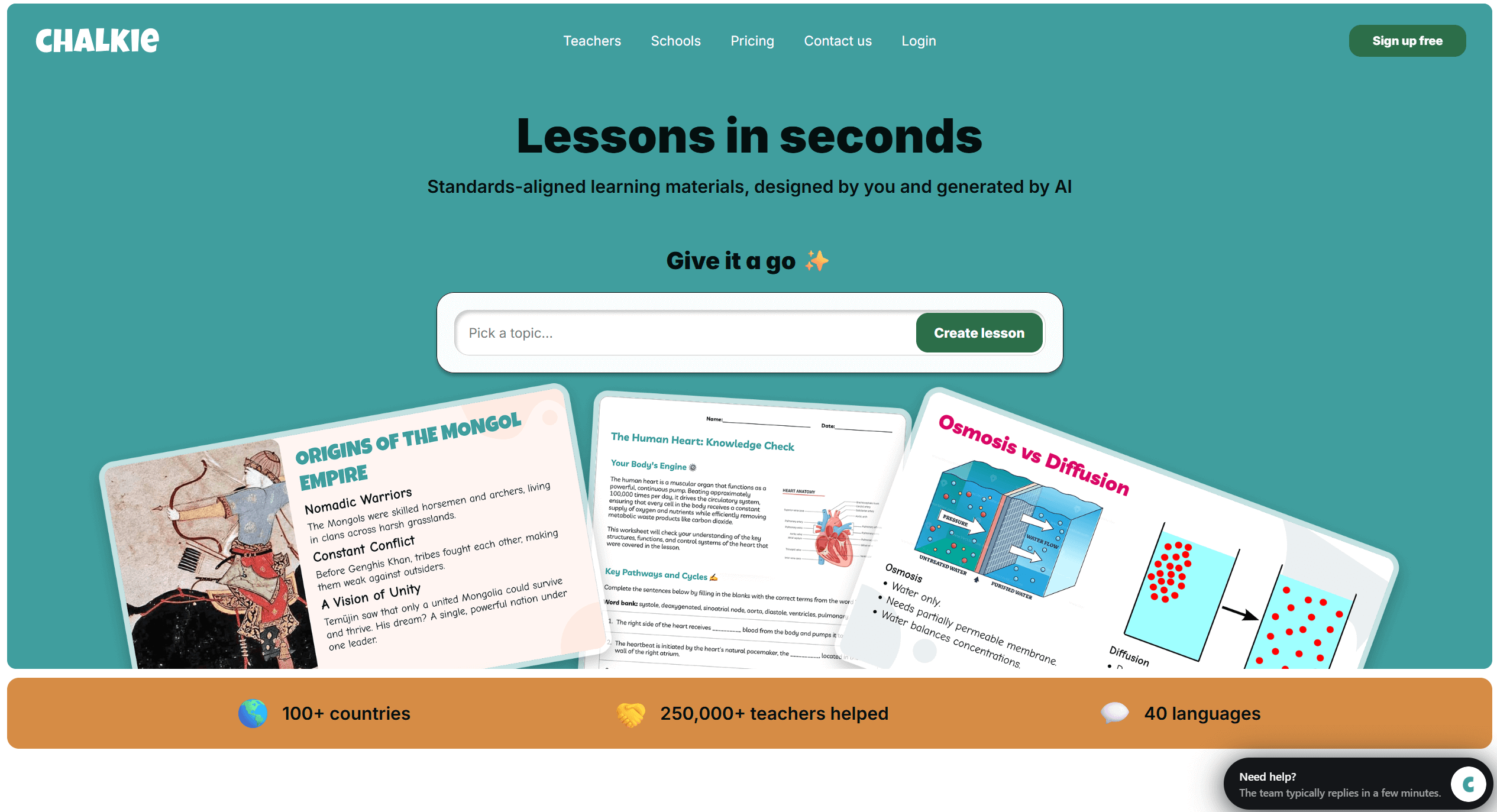
This month we spotlight Chalkie, an AI-driven tool designed to support educators by summarizing instructional content, offering formative insights on student work, and enabling scalable feedback loops. Chalkie exemplifies how purpose-built AI can amplify teaching impact while preserving pedagogical integrity, making it easier for educators to spend more time on what matters most: learning.
🎙️ Podcasts & Signals from the Field
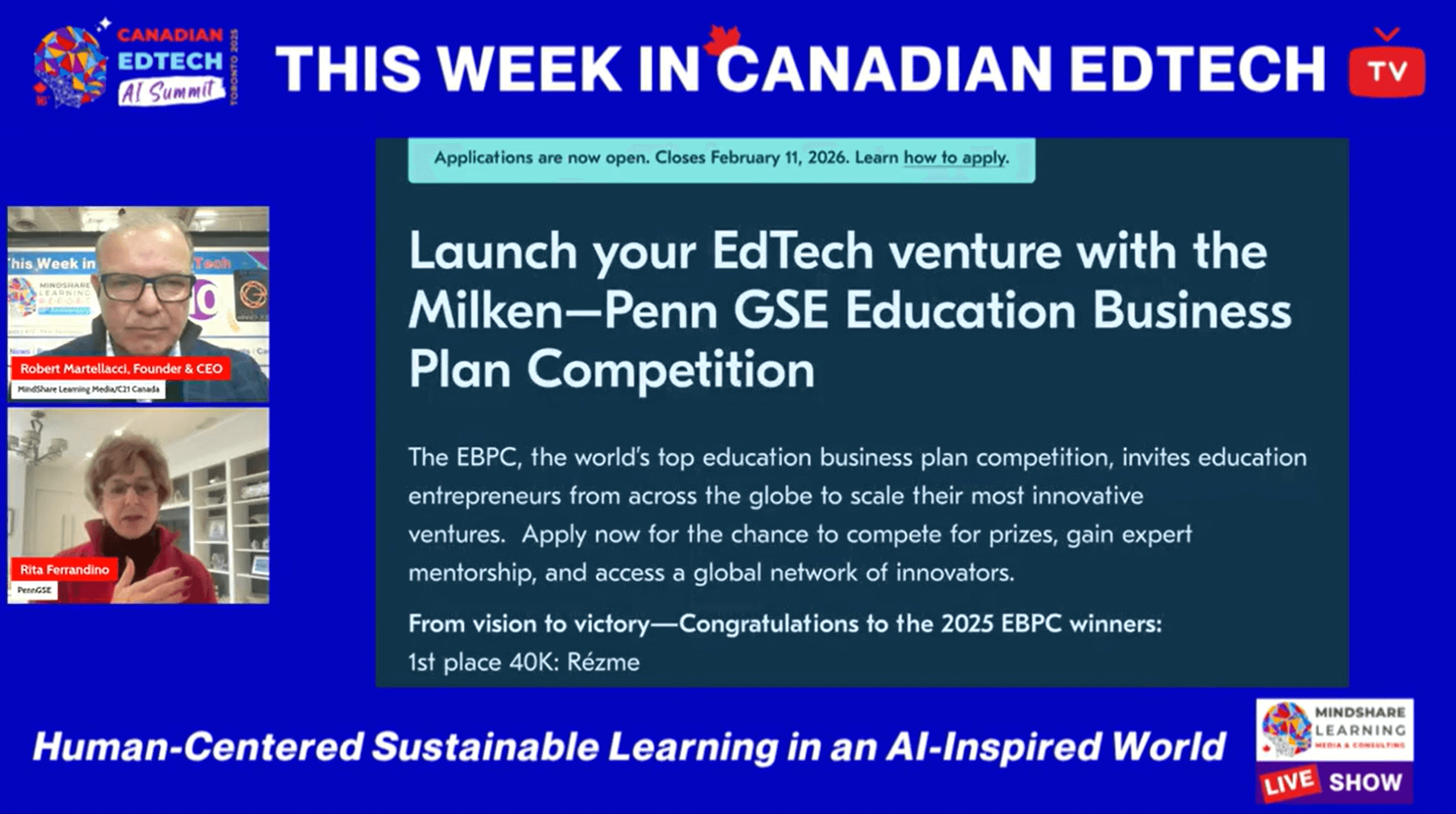
Conversations with Rita Ferrandino and Lisa Schmucki spotlighting EdTech entrepreneurship, global competitions, and EdTech Signals for 2026 from a Canada–U.S. perspective.
📚 Book of the Month
OECD Digital Education Outlook 2026, a must-read synthesis on how generative AI can function as tutor, partner, and assistant when guided by sound pedagogy, and why learning design matters more than ever.
🗞️ Top News Across K-12 and Post-Secondary
Krishiv Thakuria, from Peel District School Board in Mississauga, co-created and taught two generative AI courses at MIT with Professor Manolis Kellis. Since starting AI at 13, he’s built tutoring tools, interned with major AI companies, and impressed peers with his clarity and poise, exemplifying early AI leadership in education.
From a $125B global STEM education market forecast and major AI research investments, to university-led AI challenges, community-centered school infrastructure, and debates on keeping education human in an AI-enabled era — this issue captures both momentum and tension shaping the future of learning.
Across all of it runs a common thread: technology alone is not the transformation. Learning, leadership, and human judgment are.
Thank you for being part of the MindShare community, educators, system leaders, policymakers, innovators, and partners, who continue to ask better questions, share openly, and lead with purpose. For 25 years and counting, this community has proven that progress happens fastest when innovation is grounded in trust, equity, and collaboration.
Here’s to the next chapter.
Stay curious, stay connected, and as always, keep the learning curve steep!
|
|
|---|
|
Robert Martellacci, M.A. EdTech
Chair, 16th Canadian EdTech Leadership Summit
Founder & President, MindShare Learning Media & Consulting
Chief Digital Publisher, The MindShare Learning Report™
Founder, MindShare Workspace--Your Place to Work & Learn
CEO & Co-founder, C21 Canada--Canadians for 21st Century Learning & Innovation
Follow us on Twitter @MindShareLearn @c21can @mindsharework
https://mindsharelearning.ca/ |
|
|---|
|
25 Years of MindShare Learning
|
|
|---|
|
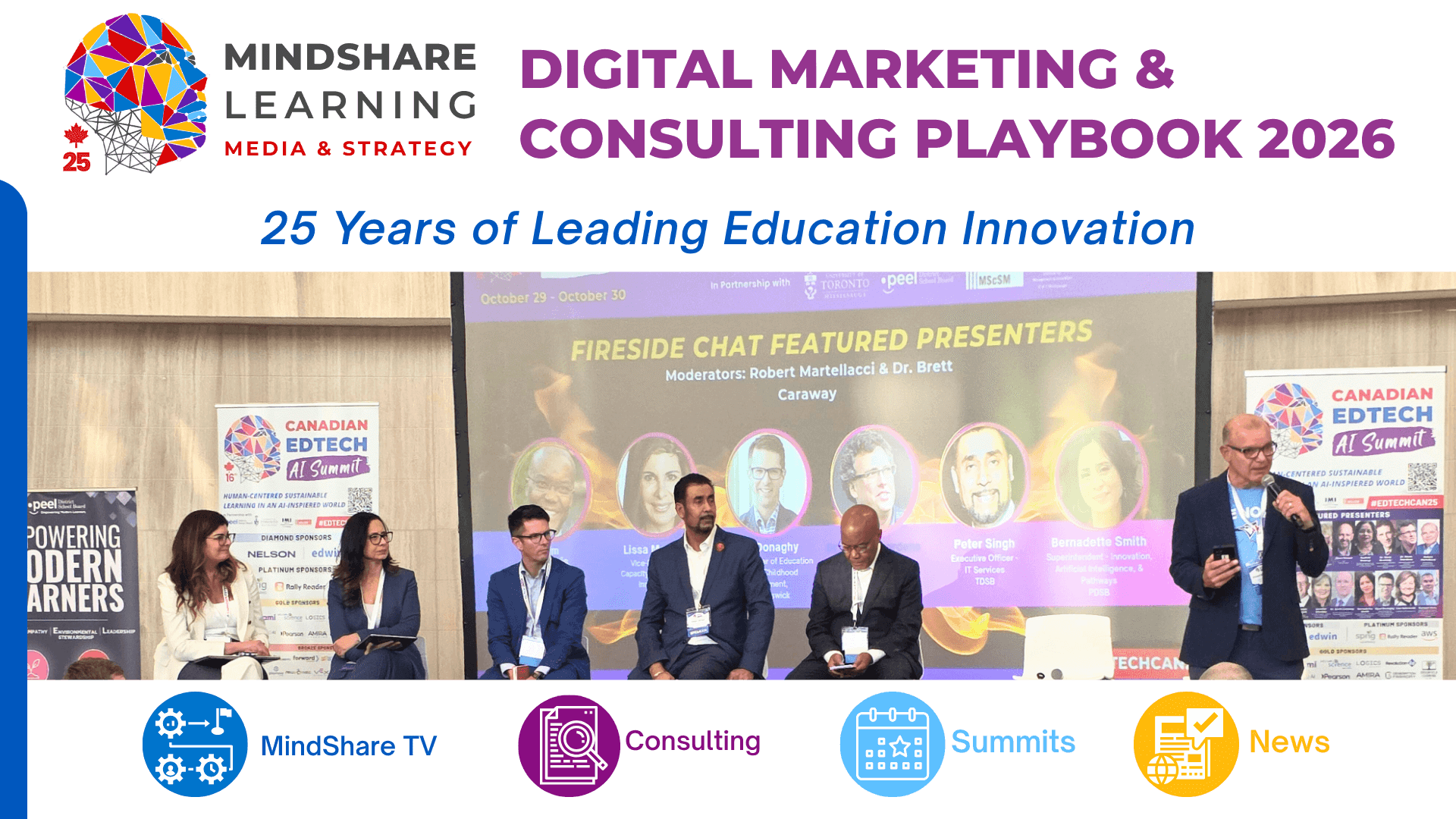
MindShare Learning Digital Media & EdTech Strategy Playbook. Let Us Help You Amplify Your Story & Connect the Dots to Help Student Reach their Full Potential
|
|
|---|
|
"Thanks to Robert Martellacci M.A. EdTech for having me on his podcast. This moment, the AI moment, is a remarkable opportunity for our universities to design, curate, and sensemake at one of the most important chapters in human history. What an amazing responsibility. Arizona State University is a proofpoint of advancing principled innovation at social scale."
Lev Gonick, Chief Information Officer,
Enterprise Technology,
Arizona State University
|
|
|
|
|
C21 Canada Dell Technologies
Use Case Spotlight
|
|
|---|
|
Adaptive Microcredentials and Automated Assessments for PLAR (Prior Learning Admissions Requirements) to ease students transitions to post-secondary
Nova Scotia Community College, Nova Scotia
|
|
|---|
|
MindShare Learning Podcast with Rita Ferrandino Calling EdTech Entrepreneurs: Milken-Penn GSE Competition Now Open
|
|
|---|
|
OECD Digital Education Outlook 2026 |
|
|---|
|
Generative AI (GenAI) is reshaping the educational landscape, beyond teaching and learning. Unlike earlier waves of education technology, much of GenAI is freely accessible and largely used beyond institutional control due to its intuitiveness and versatility. The OECD Digital Education Outlook 2026 analyses emerging research that suggests GenAI can support learning when guided by clear teaching principles. However, if designed or used without pedagogical guidance, outsourcing tasks to GenAI simply enhances performance with no real learning gains. The Outlook highlights the benefits of GenAI as a tutor, partner and assistant, and synthesises experts’ evidence and insights on the design criteria that make it work for education. |
|
|
|
|
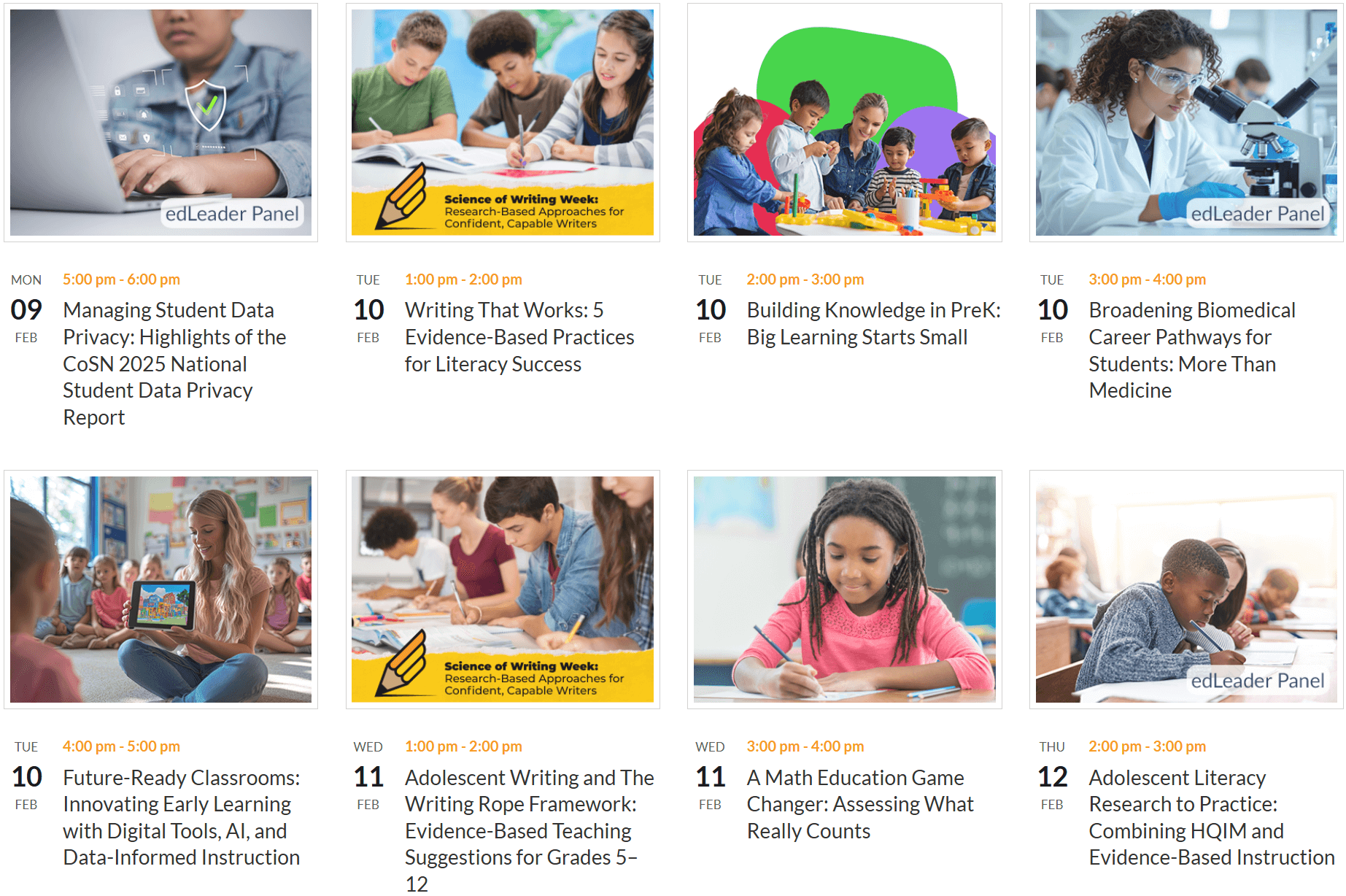
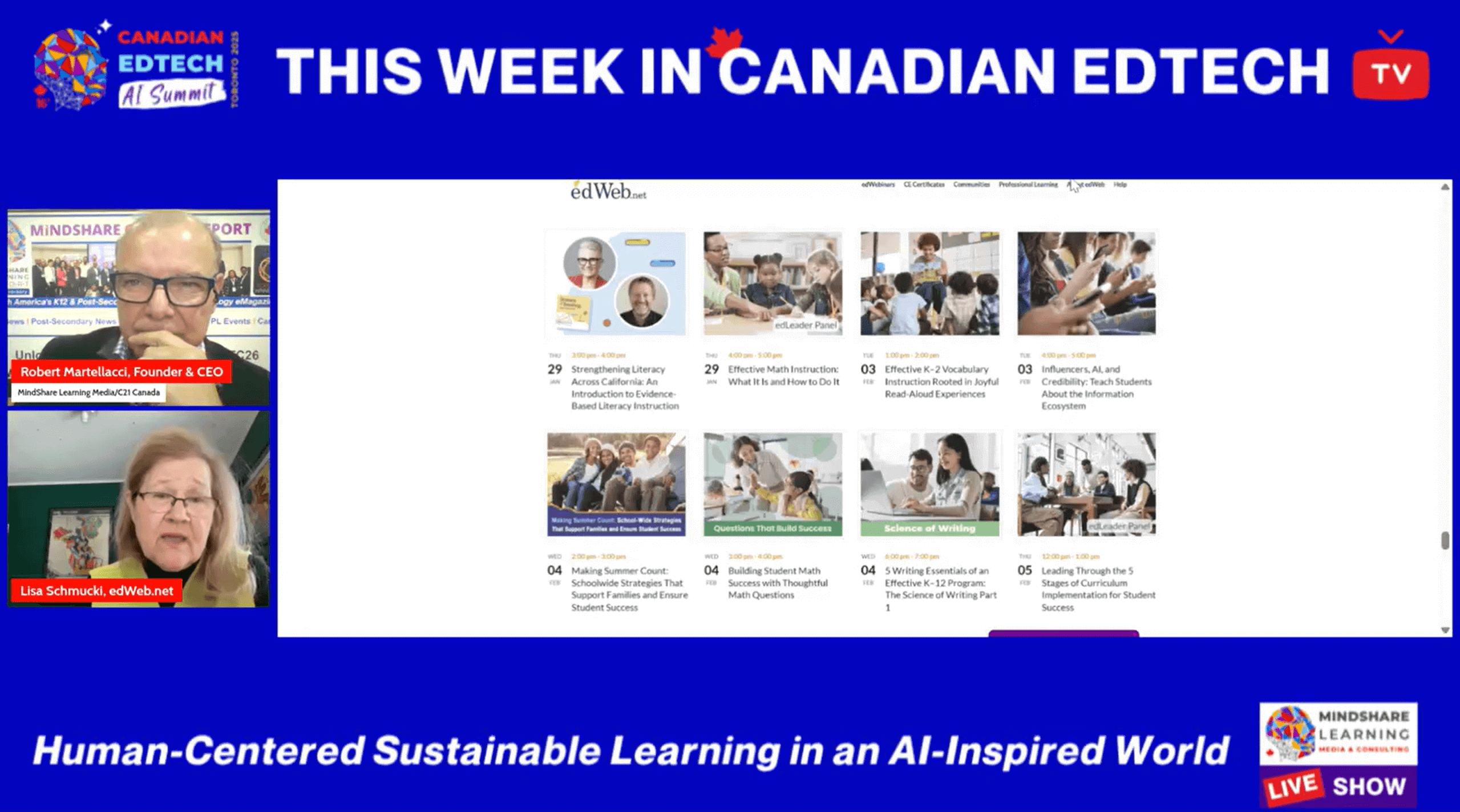
MindShare Learning Expanding Its Partnership with edWeb.net |
|
|---|
|
MindShare Learning Podcast with Lisa Schmucki | EdTech Signals for 2026:
A Canada, U.S. Perspective
|
|
|---|
|
1. 17-year-old Mississauga student teaches at MIT with renowned professor
|
|
|---|
|
Krishiv Thakuria, a 17-year-old student from Mississauga, co-created and helped teach two generative AI courses at MIT alongside Professor Manolis Kellis. Krishiv’s early interest in AI, sparked at age 13, led him to develop AI tutoring platforms and assistive AI tools for students with learning challenges, as well as intern and consult at major AI companies. At MIT, he worked with both high school peers and older professionals, receiving praise for his poise, clarity, and ability to make complex AI concepts accessible. Despite being one of the youngest contributors, his work was highly valued, and he plans to continue building his skills in both engineering and humanities at a rigorous university program after graduation. |
|
|---|
|
2. STEM Education in K-12 Global Strategic Analysis Report 2026: A $125+ Billion Market by 2030
|
|
|---|
|
The global K-12 STEM education market is projected to grow from $58.3 billion in 2024 to $125.2 billion by 2030, driven by the integration of technology, hands-on learning, and global partnerships. Digital tools like coding platforms, virtual labs, AR/VR, and robotics kits are making STEM subjects more engaging, while project-based learning and makerspaces foster collaboration, problem-solving, and innovation. Adoption is accelerating in North America, Europe, and Asia-Pacific, supported by government initiatives, public-private partnerships, and efforts to increase equity and access. This growth reflects the rising demand for future-ready skills, the expansion of EdTech, and strategic efforts to prepare students for high-skill, tech-driven careers. |
|
|---|
|
3. Penn GSE Partners to Launch $26M AI Grants Program Advancing K-12 Education
|
|
|---|
|
Penn GSE has partnered with Digital Promise to launch a $26 million, four-year K-12 AI Infrastructure Program aimed at advancing safe, effective, and equitable AI use in schools. The initiative will fund openly shared datasets, models, benchmarks, and other digital public goods so educators, school districts, and developers can build AI tools grounded in learning science and reflective of diverse learners. Alongside partners such as Georgetown University and DrivenData, Penn GSE will help steward responsible governance and inclusive design of AI technologies for education. The program reinforces Penn GSE’s growing leadership in AI and education, including new degree programs, professional development for school leaders, and opportunities for public input to shape the future of AI in K-12 learning |
|
|---|
|
4. Holon IQ 2026 Education Trends Snapshot
|
|
|---|
|
In 2025, education systems focused on experimenting with AI to identify what truly improves learning, engagement, and outcomes for students and workers. Practical AI applications, such as supporting course design, teacher productivity, and structured student support, showed measurable value, while human factors like motivation, well-being, and connection remained central. Digital infrastructure was quietly strengthened, partnerships expanded, and skills-focused education gained prominence through industry-aligned credentials, apprenticeships, and competency frameworks. Looking ahead to 2026, institutions are shifting from experimentation to deliberate AI integration, prioritizing approaches that deliver instructional value, support workforce alignment, and ensure measurable outcomes. |
|
|---|
|
5. Wasaga Beach Celebrates $62.2M Provincial Investment and Tender Approval for Town's First High School and Community Hub
https://www.wasagabeach.com/ | January 30, 2026
|
|
|---|
|
Wasaga Beach is moving forward with its first high school and integrated community hub after the Province of Ontario approved a $62.2 million investment and the construction tender. The K-12 campus will offer 1,008 student spaces, 49 licensed childcare spots, a 300-seat theatre, and shared recreational and learning facilities, serving as both a school and a community hub. Located at 486 River Road West near the town’s arena and library, the project will keep students local and provide expanded opportunities for residents, including post-secondary partnerships with Canadore College and Lakehead University. Construction is set to begin this spring, with the school expected to open in September 2027, marking a major milestone for the rapidly growing town. |
|
|---|
|
New research from the World Economic Forum emphasizes that AI’s $15 trillion potential will only be realized if organizations focus on human-AI collaboration, not just technology adoption. Enterprise productivity gains remain inconsistent because many companies implement AI tools without embedding continuous learning and workflow redesign. The WEF’s DEEP framework, Diagnose, Embed, Evaluate, Prioritize, advocates integrating learning into daily work, using AI to provide personalized coaching, measure skills, and foster workforce adaptability. By closing the “learning gap,” companies can amplify human judgment, enhance creativity, and unlock substantial economic growth from AI augmentation. |
|
|---|
|
7. How AI assistance impacts the formation of coding skills
|
|
|---|
|
A study by Anthropic examined how AI assistance impacts coding skill development in junior software engineers learning a new Python library. While AI slightly increased task completion speed, participants who relied heavily on it scored 17% lower on a follow-up quiz, with the largest gaps appearing in debugging and conceptual understanding. Participants who used AI strategically, asking follow-up questions, requesting explanations, or combining AI output with their own reasoning, retained more knowledge and performed better. These findings suggest that while AI can enhance efficiency, over-reliance may hinder skill development, highlighting the importance of intentional, thoughtful interaction with AI tools to support learning and mastery. |
|
|---|
|
8. San Francisco Bay University Launches ChatGPT Edu to Advance AI-Enabled Student Learning
https://www.sfbu.edu/ | January 21, 2026 |
|
|---|
|
San Francisco Bay University (SFBU) has introduced ChatGPT Edu, a secure, education-focused AI platform designed to enhance student learning, research, and creativity while maintaining academic integrity and privacy. The platform offers AI-assisted analysis, writing, coding, problem-solving, multimodal tools, idea brainstorming, and AI-generated visuals, all managed within the university environment. SFBU provides guidance, onboarding resources, sample prompts, webinars, and technical support to ensure responsible and effective use of the technology. This initiative reflects the university’s commitment to innovation, digital fluency, and preparing students for success in an AI-enabled world. |
|
|---|
|
9. How US students are using generative AI, chatbots for their post-secondary applications
nytimes.com | January 28, 2026 |
|
|---|
|
High school students and their parents are increasingly using AI chatbots like ChatGPT and Claude Pro to navigate the college admissions process, from understanding the Common App to researching schools and estimating acceptance chances. While students appreciate the constant availability and affordability of these tools, experts warn that chatbots often provide inaccurate or overly flattering information and cannot replace human guidance or self-reflection. AI can be helpful for gathering data, organizing applications, and easing the workload of school counselors, especially in under-resourced schools. However, relying too heavily on chatbots may give students unrealistic expectations, and human expertise remains crucial for nuanced advice and admissions strategy. |
|
|---|
|
10. ‘Keep Carleton Human’: Carleton University staff rallies to push for protections from A.I.
https://www.ctvnews.ca/ | January 22, 2026 |
|
|---|
|
Staff and union members at Carleton University held a “Keep Carleton Human” rally to demand protections against the use of AI in ways that could replace or reduce the roles of teaching assistants, research assistants, and contract instructors. The union, CUPE 4600, is seeking rules to prevent AI from grading, evaluating, or making hiring and disciplinary decisions, and to ensure employees are not forced to use AI in their work. While the university supports responsible AI use, it has so far resisted committing to specific protections, citing a lack of mandate from the Board of Governors. The rally aimed to pressure the university to negotiate clear policies that safeguard human roles and maintain the quality of education. |
|
|---|
|
Professional Learning Events |
|
|---|
|
|
SXSW EDU
March 9 - 12 2026
|
|
|---|
|
ASU + GSV Summit: Learning at the Speed of Light
April 12 - 15 2026
|
|
|---|
|
CoSN2025, Chicago
April 13 - 15 2026
|
|
|---|
|
Mental Health Summit
April 17 - 18 2026
|
|
|---|
|
ULead: The Summit of Educational Leadership
April 19 - 21 2026
|
|
|---|
|
Toronto Tech Week
May 25 - 29 2026
|
|
|---|
|
Teacher/Parent Resources Corner
|
|
|---|
|
|
Leading Innovation in Education
Advertise your not-for-profit organization or EdTech company, sponsor a Webinar or Canadian EdTech Summit!, share your press releases, career opportunities, and more! To inquire about our EdTech strategy consulting services,
Contact us at robert@mindsharelearning.com
|
|
|---|
|
About MindShare Learning
MindShare Learning is Canada’s Leading EdTech Media, Marketing & Strategy Consulting Company. We offer expert insight to the learning technology sector to help leaders and learners thrive in the 21st Century global knowledge-based digital economy.
The MindShare Report Mission
Our goal is to keep you current and at the forefront of innovation in Canadian education through our weekly eMag. Be sure to connect with us:
- Contribute a story, or suggest a MindShareTV podcast
- Feedback, or suggestions on how to improve this report
- Advertise, sponsor, or strategic partnerships
|
The MindShare Learning Report team consists of the following individuals:
Robert Martellacci, M.A. Ed Tech., Founder & Chief Digital Publisher
Dr. Ron Owston, PhD., Research Associate, University Professor Emeritus, Former Dean of Faculty, York University
Chris Kim, PhD., Research Associate, Software Engineer, software studio, Fresco Industries
Timothy Gard, B.Ed., OCT, M.A, Chief Learning Strategist
Hanan Mousa, M.B.A, B.C. S. Digital Media Specialist
MindShare Advisory Board
The MindShare Report is grateful for the guidance and support provided by our esteemed advisory board. Members include:
Laurent Burman, M.B.A., Chief Commercial Officer, Sound Commerce
Kevin Custer, Founding Principal, Arc Capital Development
Chip Fesko, Principal, Chip Fesko & Associates
Ian Fogarty, Educator, Riverview High School | MindShare National Video Challenge Award Winner
Dr. GuyTetrault, Award Winning Sun West School Division, Director & CEO (Retired)
Michael Furdyk, Co-Founder, TakingItGlobal
Dr. Eric Hamilton, Associate Dean of Education, Pepperdine University, Graduate School of Education and Psychology
Maxim Jean-Louis, CEO, Contact North/Contact Nord,
Gary Kern, Principal, St. George's School
Dr. Susanne Lajoie, Professor, Department of Educational and Counselling Psychology, McGill University
David Marsi, Senior Manager Training Initiatives, ScotiaMcLeod
Mirella Rossi, Superintendent of Education, Simcoe Muskoka Catholic District School Board
Sandra Chow, Award Winning Teacher, Toronto District School Board (On Leave serving as a Director of Technology & Instruction at a School in China
Ron Sedran, MD, Equity Capital Markets, Canaccord Adams
About The MindShare Learning Report™
Canada's Learning & Technology eMagazine.
Our mission is to provide insight and inspiration to K12 and Post-Secondary education and industry leaders by sharing the latest trends and innovative best practices and success stories in the Canadian education market space and beyond.
Editorial content is welcomed for our weekly and monthly EdTech Reports.
Please forward your news releases as web links to
info@mindsharelearning.com
Advertising opportunities are available, please contact,
robert@mindsharelearning.com
Consulting opportunities are available, please contact:
robert@mindsharelearning.com
Annual subscriptions to the MindShare Learning Report can be purchased at $99 CDN
|
|
|
|
|
|---|
|
Our Valued Clients and Partners |
|
|---|
|
|
|
| |
|  |
|
|
|
|